Personalised pathway guidance
Pathway guidance is free and tailored support for patients (and their family and loved ones) throughout the treatment pathway.
In practice, a pathway coordinator works with the patient to identify the support needed:
- How to cope with the diagnosis and treatment?
- Practical or administrative questions
- Psychosocial and emotional support
Fixed point of contact
As a patient, you will meet many healthcare professionals at different stages of treatment. The pathway coordinator is your fixed contact point for you and your family throughout the entire treatment pathway. This means you don’t have to work out who to contact for specific questions. The coordinator is there to listen and, where needed, refer you to the appropriate professional.
Introductory appointment
As soon as the diagnosis is made, you will be given an appointment with one of our pathway coordinators.
During this introductory appointment:
- you can indicate your expectations and needs so that we can provide the right support.
- you will receive more information about how we work and the personal contact details of your coordinator.
After the procedure, a new contact moment will be scheduled.
You can also contact the pathway coordinator throughout your entire course of treatment.
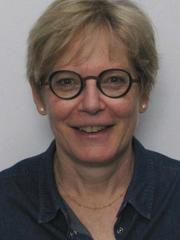
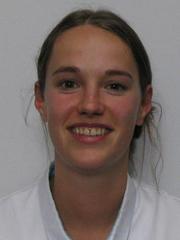
Your pathway coordinators
Contact
-
+32 16 34 87 02 (daily between 11:00 and 13:00)
Additional information and support
Cancer can have emotional and physical effects, and it also raises practical and financial questions.
The information leaflets below provide more details about social support you may be entitled to (financial assistance) and about the different professionals who can support you with psychosocial matters.
Social worker
A social worker can help with practical and financial aspects of being ill, such as transport, financial and administrative arrangements (e.g. insurance or loans), social benefits, support at home or when returning to work.
Chaplain
The chaplain is available to any patient or relative who would like a confidential conversation, for example about meaning or life questions. This can be within a religious conviction, but it does not have to be. If you wish, a chaplain can also offer a prayer or ritual. Representatives of other faiths can also be contacted. The pastoral care service is available 24/7 via the nursing team.
Psychologist
A psychologist can help with difficulties around coping, communication or decision-making. Patients and relatives can also consult the psychologist about anxiety, sadness, low mood, body image and sexuality, relationships or family, return to work and other topics.
Psychomotor therapist
Your diagnosis and treatment can cause stress and tension, which may also be felt physically. The psychomotor therapist can help with relaxation and breathing exercises, discuss body image and offer tips. Together with the patient, the therapist looks at how to apply these exercises and tips in daily life. Relatives can also make use of this support.
Physiotherapist
Your doctor may refer you to a physiotherapist for mobility, breathing or other exercises.